

Seamless Office Relocation: Why You Need a One-Stop Furniture Solution
Moving into a new office is an exciting step for any business, but it also comes with challenges. From planning logistics to setting up a productive workspace, every detail matters. Partnering with a company that can move, sell, and remove office furniture in one seamless service can make all the difference. Here’s why choosing a one-stop furniture solution like Eltru Office Furniture Shop can save you time, money, and stress. 1. Streamline the Moving Process Coordinating between multiple vendors for moving, purchasing, and disposing of office furniture can be a logistical nightmare. A full-service company simplifies the process by handling everything in-house. This reduces miscommunication, scheduling conflicts, and unexpected costs. 2. Cost-Effective Solutions Bundling your moving and furniture needs with one provider can lead to significant savings. Many companies offer package deals or discounts for businesses that require multiple services, helping you stay within budget while securing high-quality furniture and efficient relocation assistance. 3. Expert Office Space Planning An experienced furniture provider understands the importance of a well-designed workspace. They can help you plan your office layout, recommend ergonomic solutions, and ensure your furniture fits your new space perfectly. This results in a more functional and aesthetically pleasing work environment. 4. Hassle-Free Removal and Disposal If you have old or unwanted office furniture, a one-stop provider can handle removal and disposal, ensuring an eco-friendly and responsible approach. Whether it's reselling, refurbishing, or recycling, they take the burden off your shoulders and free up valuable time. 5. High-Quality, Budget-Friendly Furniture Options When upgrading your office furniture, choosing a provider that offers new and pre-owned options gives you flexibility. Eltru Office Furniture Shop provides a wide range of high-quality, budget-friendly office furniture, including ergonomic chairs, workstations, and conference tables, to suit any office size and style. 6. Stress-Free Installation Once your furniture arrives, installation can be another hurdle. With a full-service provider, professional installation is part of the package, ensuring everything is assembled correctly and ready for use without delay. 7. Minimize Downtime Time is money, and every day spent in transition affects productivity. A single company handling the entire process means a faster, smoother move, allowing your team to get back to work with minimal disruption. Make Your Office Move Effortless with Eltru Office Furniture Shop Moving offices doesn’t have to be overwhelming. By choosing Eltru Office Furniture Shop, you’re investing in a seamless, efficient relocation experience. Whether you need to move, upgrade, or dispose of office furniture, our team is here to provide the best solutions tailored to your needs. Get in touch with Eltru Office Furniture Shop today for a hassle-free office move and furniture upgrade experience!
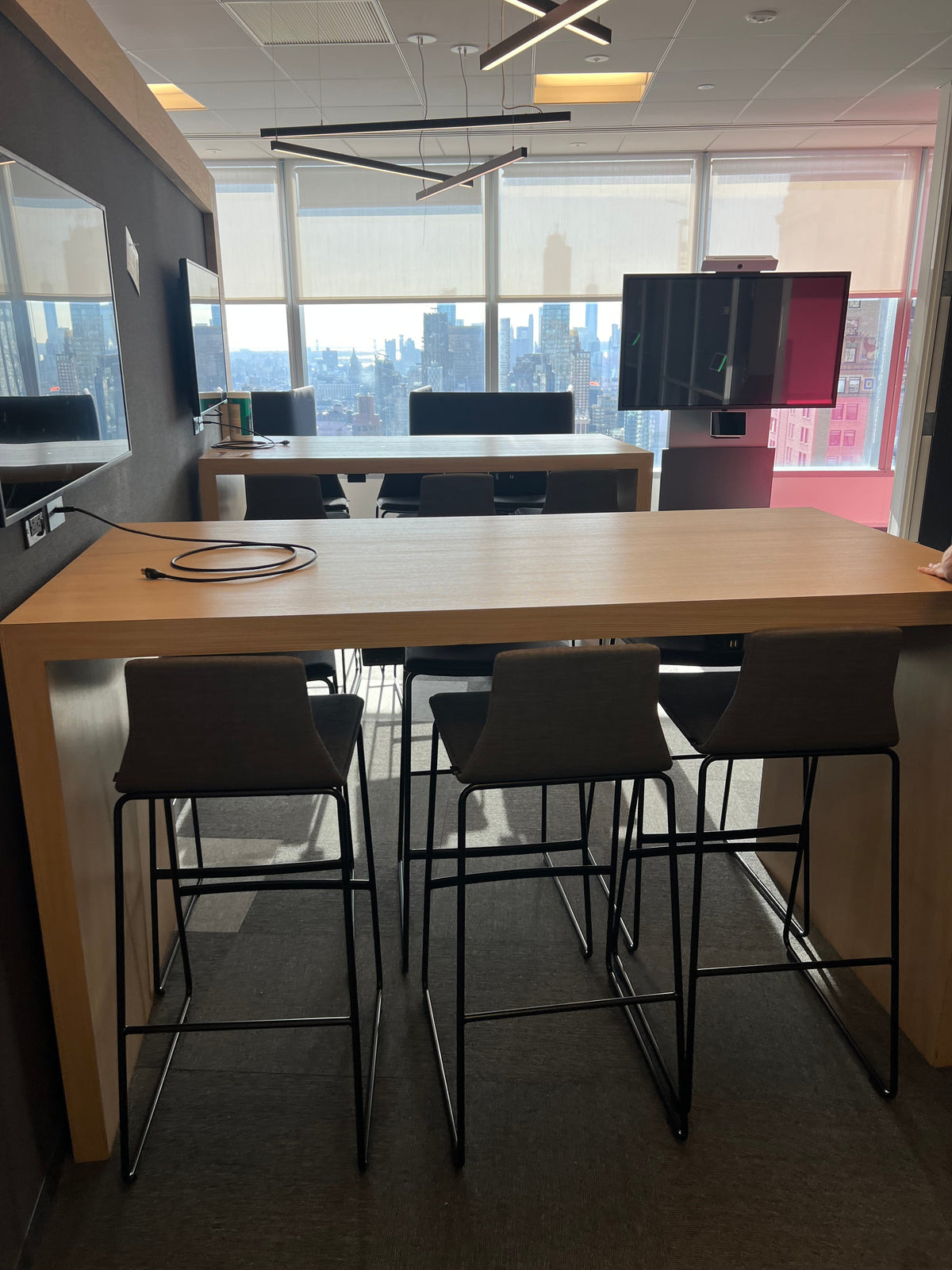
Office Furniture: Designing a Workspace That Works
When it comes to creating a productive and comfortable office environment, the right furniture plays a pivotal role. Whether you’re setting up a home office or revamping a corporate workspace, investing in quality office furniture is a decision that impacts productivity, employee morale, and even health. In this blog, we’ll explore key considerations for choosing the perfect office furniture and how it can transform your workspace. Why Office Furniture Matters Office furniture isn’t just about aesthetics; it’s about functionality and well-being. Ergonomic chairs and desks can help prevent posture-related issues, while collaborative furniture fosters teamwork and creativity. Additionally, the right furniture can reflect your company’s culture and values, making a positive impression on clients and employees alike. Key Factors to Consider 1. Ergonomics Ergonomic furniture is designed to support the natural alignment of your body, reducing strain and discomfort. Look for chairs with adjustable height and lumbar support, and consider sit-stand desks to promote movement throughout the day. 2. Space Optimization Efficient use of space is crucial in any office. Modular furniture, like stackable chairs and foldable tables, can adapt to your needs while keeping the area clutter-free. Measure your space before purchasing to ensure a perfect fit. 3. Style and Branding Your furniture should align with your brand’s personality. For instance, sleek, minimalist designs work well for tech startups, while traditional wood finishes might suit a law firm. Consistent colors and materials create a cohesive look. 4. Sustainability Eco-friendly furniture options are increasingly popular. Look for pieces made from recycled or sustainably sourced materials. Not only do they help the environment, but they also enhance your company’s image as a socially responsible business. 5. Budget Set a realistic budget and prioritize your needs. Pre-owned furniture, like refurbished Herman Miller Aeron chairs, can be a cost-effective way to furnish your office without compromising on quality. Popular Office Furniture Trends Open Workspaces: Collaborative desks and modular seating arrangements encourage interaction and innovation. Home Office Essentials: Compact desks, ergonomic chairs, and multifunctional furniture cater to remote workers. Biophilic Design: Incorporating natural elements like wooden furniture and planters to create a calming environment. Technology Integration: Furniture with built-in charging ports and cable management systems for a tech-friendly setup. The Impact of Quality Office Furniture Investing in high-quality office furniture can: Boost productivity by creating a comfortable and functional workspace. Improve employee satisfaction and retention. Reflect professionalism and attract clients. Enhance physical well-being by reducing workplace injuries. Get Started Today At [Your Company Name], we specialize in providing top-notch office furniture to suit every need and budget. From ergonomic chairs to complete workspace solutions, we’re here to help you design an office that inspires success. Contact us for a free estimate and discover how we can transform your workspace into a hub of productivity and style.
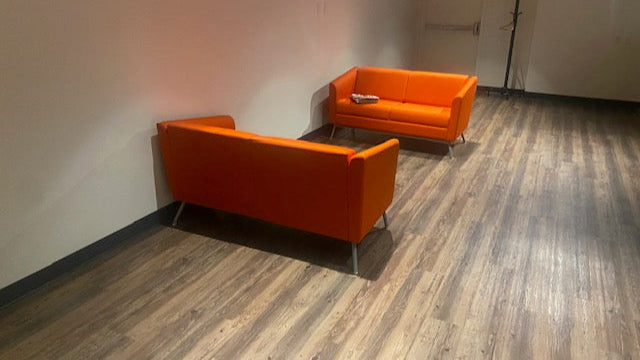
Where to Buy Office Lounge Furniture in New Jersey
Creating a comfortable and stylish office lounge is essential for any workplace. Whether it’s a space for employees to relax, a welcoming area for clients, or a collaborative meeting zone, the right lounge furniture makes all the difference. If you’re in New Jersey and looking for high-quality office lounge furniture, here’s your guide to finding the best options. Why Office Lounge Furniture Matters An office lounge is more than just a seating area—it’s a space that reflects your brand and fosters productivity. The right furniture can: Boost employee morale: A well-furnished lounge encourages relaxation and creativity. Create a lasting impression: Stylish lounge furniture elevates your workplace, impressing clients and visitors. Foster collaboration: Comfortable spaces make it easier for employees to connect and share ideas. Top Places to Buy Office Lounge Furniture in New Jersey Local Office Furniture ShowroomsVisit local showrooms across New Jersey to see and test furniture in person. Cities like Newark, Edison, and Paramus host numerous office furniture retailers offering a variety of styles and price points. Specialty RetailersSpecialty office furniture stores focus on modern and ergonomic lounge solutions. Look for businesses that offer customizable options to fit your unique space and needs. Online Retailers with New Jersey WarehousesMany online retailers provide extensive catalogs of office lounge furniture and deliver directly to New Jersey. Companies like Wayfair, Steelcase, and Herman Miller often have distribution centers nearby, ensuring fast and reliable shipping. Pre-Owned Office Furniture DealersFor budget-friendly options, explore pre-owned office furniture dealers. You can find high-quality pieces at a fraction of the cost, including iconic brands like Herman Miller and Steelcase. Custom Furniture MakersIf you’re looking for something truly unique, consider working with a New Jersey-based custom furniture maker. They can design and build lounge furniture tailored to your brand and space. Key Considerations When Buying Office Lounge Furniture Durability: Choose furniture made from high-quality materials to withstand daily use. Comfort: Look for ergonomic designs that support relaxation and productivity. Aesthetics: Select styles and colors that align with your office branding. Flexibility: Modular or lightweight furniture is ideal for dynamic office layouts. Budget: Balance quality and cost to get the most value for your investment. Final Thoughts New Jersey offers a wealth of options for buying office lounge furniture, from local showrooms to online retailers and custom makers. By considering your needs, budget, and design preferences, you can create a lounge space that enhances your office environment and supports your team’s success. Ready to transform your office lounge? Start exploring New Jersey’s best furniture options today!
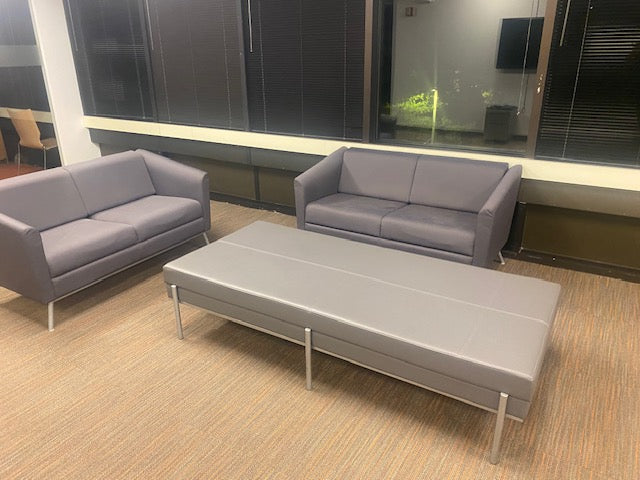
Office Lounge Furniture in New Jersey
A well-designed office lounge isn’t just a luxury—it’s a necessity in today’s workplace. The right lounge furniture can boost employee morale, foster collaboration, and create an inviting environment for clients and visitors. If you're in New Jersey, you have access to a wide range of stylish and functional office lounge furniture that can elevate your workspace. Why Invest in Office Lounge Furniture? Create a Welcoming EnvironmentYour office lounge is often the first impression for clients and guests. High-quality lounge furniture conveys professionalism and a commitment to comfort, setting the tone for positive interactions. Encourage Employee ProductivityA comfortable and inviting lounge area gives employees a place to recharge, fostering creativity and productivity. Whether it’s a quick coffee break or a brainstorming session, the right furniture makes all the difference. Support Collaboration and NetworkingOffice lounges equipped with modern furniture become informal meeting hubs where teams can collaborate in a relaxed setting, strengthening communication and camaraderie. Top Office Lounge Furniture Pieces to Consider Sofas and Sectionals: Offer spacious and comfortable seating for group interactions or quiet moments of rest. Ergonomic Chairs: Provide proper support, ensuring comfort during longer meetings or breaks. Coffee Tables: Perfect for central gathering areas and holding everything from laptops to coffee cups. Modular Furniture: Adaptable pieces that can be rearranged to suit evolving office layouts. Accent Chairs and Ottomans: Add a touch of style and extra seating for more intimate spaces. Why Buy Office Lounge Furniture in New Jersey? New Jersey is a hub for office furniture retailers offering a variety of options to suit every budget and aesthetic. From sleek modern designs to timeless classics, you can find furniture that matches your company’s brand and vision. Many local suppliers also offer customization options, allowing you to tailor your lounge furniture to your specific needs. Final Thoughts Investing in office lounge furniture isn’t just about aesthetics—it’s about creating a space that supports productivity, collaboration, and a positive workplace culture. If you’re in New Jersey, now is the perfect time to upgrade your office lounge with stylish and functional furniture. Ready to transform your workspace? Explore the best office lounge furniture options in New Jersey today and see the difference it can make for your business!
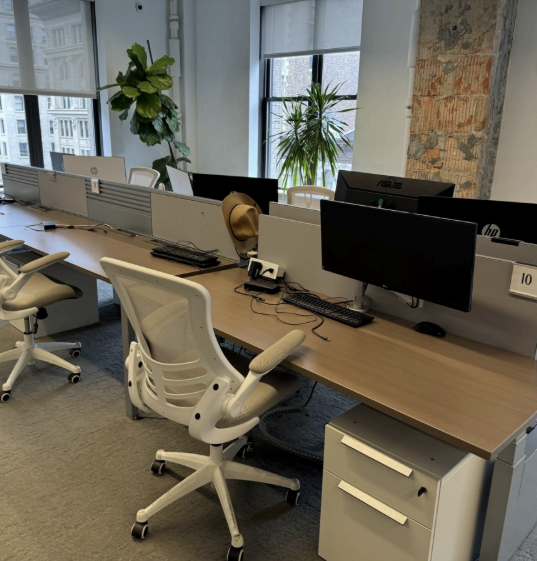
Used Sit-Stand Desks and Chairs Over New Furniture
When outfitting an office, selecting the right furniture is a critical decision. While many lean toward brand-new items, opting for pre-owned sit-stand desks and chairs offers numerous advantages. Here, we explore why used furniture can be a smart, sustainable, and budget-friendly choice for your workspace. 1. Cost Savings Without Compromise The most obvious benefit of buying used sit-stand desks and chairs is the significant cost savings. High-quality ergonomic furniture can be expensive when purchased new. Pre-owned options, particularly from reputable brands like Herman Miller, provide the same durability and functionality at a fraction of the price. These savings can be reinvested into other aspects of your business, such as technology or employee development. 2. Quality That Stands the Test of Time Top-tier office furniture is built to last. Brands like Herman Miller, Steelcase, and Humanscale design their products for years of use in high-demand environments. By purchasing used furniture from these brands, you’re getting premium craftsmanship and materials. A gently used Herman Miller Aeron chair, for example, still offers unparalleled lumbar support and adjustable comfort, often indistinguishable from a new model in terms of performance. 3. Environmental Benefits Choosing used office furniture is an eco-friendly decision. Manufacturing new furniture consumes raw materials, energy, and water while generating waste and emissions. By purchasing pre-owned items, you’re extending the lifecycle of high-quality furniture, reducing waste, and lowering your carbon footprint. It's a sustainable choice that aligns with environmentally conscious values, which can resonate with employees and clients alike. 4. Immediate Availability New furniture often comes with lengthy lead times for production and delivery. In contrast, used sit-stand desks and chairs are typically available immediately. This can be a major advantage if you’re setting up an office quickly or need replacements for damaged items on short notice. 5. Proven Ergonomic Features Ergonomics play a critical role in employee productivity and well-being. Used sit-stand desks provide the flexibility to alternate between sitting and standing, promoting better posture, reducing back pain, and increasing energy levels. Pre-owned ergonomic chairs, such as those with adjustable lumbar support and posture-fit systems, enhance comfort and reduce the risk of musculoskeletal issues. You don’t have to sacrifice health and comfort to save money. 6. Customizable Options Many sellers of used office furniture offer customization options. Whether you’re looking for a specific color, finish, or size, you can often find pre-owned furniture tailored to your needs. Some providers even refurbish items, ensuring they look and feel like new while maintaining a lower price point. 7. Resale Value Used furniture retains its value better than new items. A brand-new desk or chair depreciates quickly, but pre-owned furniture has already undergone the steepest drop in value. Should your office needs change, you can resell your used furniture with minimal loss, making it a more financially sound investment. Conclusion When comparing used sit-stand desks and chairs to new furniture, it’s clear that pre-owned options offer compelling benefits. From cost savings and environmental sustainability to quality and ergonomic performance, used furniture is a practical and responsible choice for outfitting your office. By selecting well-crafted, pre-owned items, you’re not only enhancing your workspace but also contributing to a more sustainable future. Whether you’re a startup on a tight budget or an established company looking to reduce waste, used office furniture is a win-win solution.
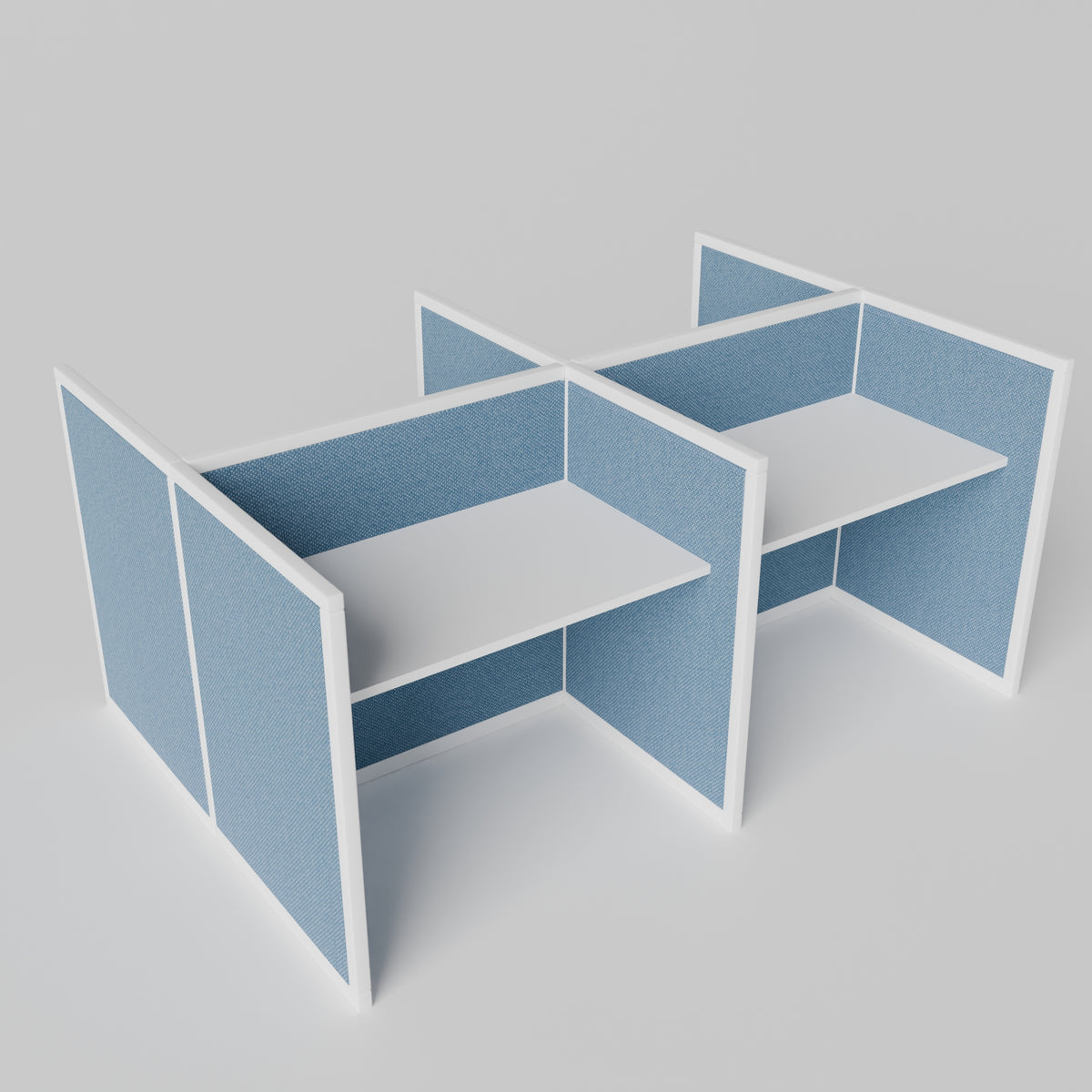
Getting The Right Cubicles For Your Workstation System
Creating the perfect office environment involves more than just selecting chairs and desks; it’s about designing a workspace that enhances productivity, fosters collaboration, and reflects your company’s culture. One of the most critical elements in achieving this balance is choosing the right cubicles for your workstation system. Whether you’re outfitting a new office or upgrading an existing one, here’s a guide to help you make informed decisions when selecting cubicles for your workplace. Why Cubicles Still Matter In the age of open-office layouts, cubicles may seem like a relic of the past, but they remain an essential component for many businesses. Why? Because they offer: Privacy for Focus: Employees need spaces where they can concentrate without constant distractions. Defined Work Areas: Cubicles create a sense of ownership and organization. Flexibility: Modern cubicles can adapt to changing team sizes and configurations. Key Factors to Consider When Choosing Cubicles Space UtilizationMeasure your office space carefully to determine how many cubicles can fit without making the area feel cramped. Consider the workflow and leave enough room for pathways and communal areas. Employee Needs Are your employees performing tasks that require focus? Consider higher panels for privacy. Do they frequently collaborate? Opt for cubicles with lower walls to encourage communication. Do they require a lot of equipment? Look for workstations with larger desk surfaces and integrated storage. Cable Management and Tech IntegrationModern cubicles should include features like grommets, power outlets, and cable trays to support technology needs. Organized wiring not only looks professional but also reduces safety hazards. Ergonomics and ComfortEnsure cubicle designs include enough space for ergonomic chairs, adjustable monitors, and proper lighting. Employee comfort directly impacts productivity and morale. AestheticsThe look of your cubicles should align with your brand. Sleek, neutral tones might suit a corporate office, while bold colors and creative designs could be a better fit for a tech startup or creative agency. SustainabilityIf your company prioritizes eco-friendliness, consider cubicles made from recycled materials or refurbished options that reduce waste. Types of Cubicle Workstations Traditional Cubicles High-wall designs for maximum privacy. Ideal for tasks requiring focus, like accounting or customer service. Low-Wall Cubicles Encourage collaboration while providing personal space. Great for sales teams or departments that thrive on communication. Modular Workstations Flexible and easy to reconfigure. Perfect for growing businesses with changing needs. Bench-Style Workstations Open layouts with shared desks. Best for team projects and creative industries. The Cost Factor Cubicles are an investment, so it’s crucial to balance cost with quality. Pre-owned or refurbished cubicles can be a cost-effective option without sacrificing functionality. Additionally, some vendors offer packages that include delivery, installation, and warranties, providing excellent value. Final Thoughts Choosing the right cubicles for your workstation system is about understanding your team’s needs and aligning them with your business goals. The right setup can boost productivity, streamline workflows, and create a comfortable and professional atmosphere. Whether you’re looking for modern, tech-friendly designs or classic, high-wall solutions, investing time in selecting the best cubicles for your office will pay off in the long run. If you need help finding the perfect workstation system or want expert advice, we’re here to assist! Let us help you design a workspace that works as hard as you do.
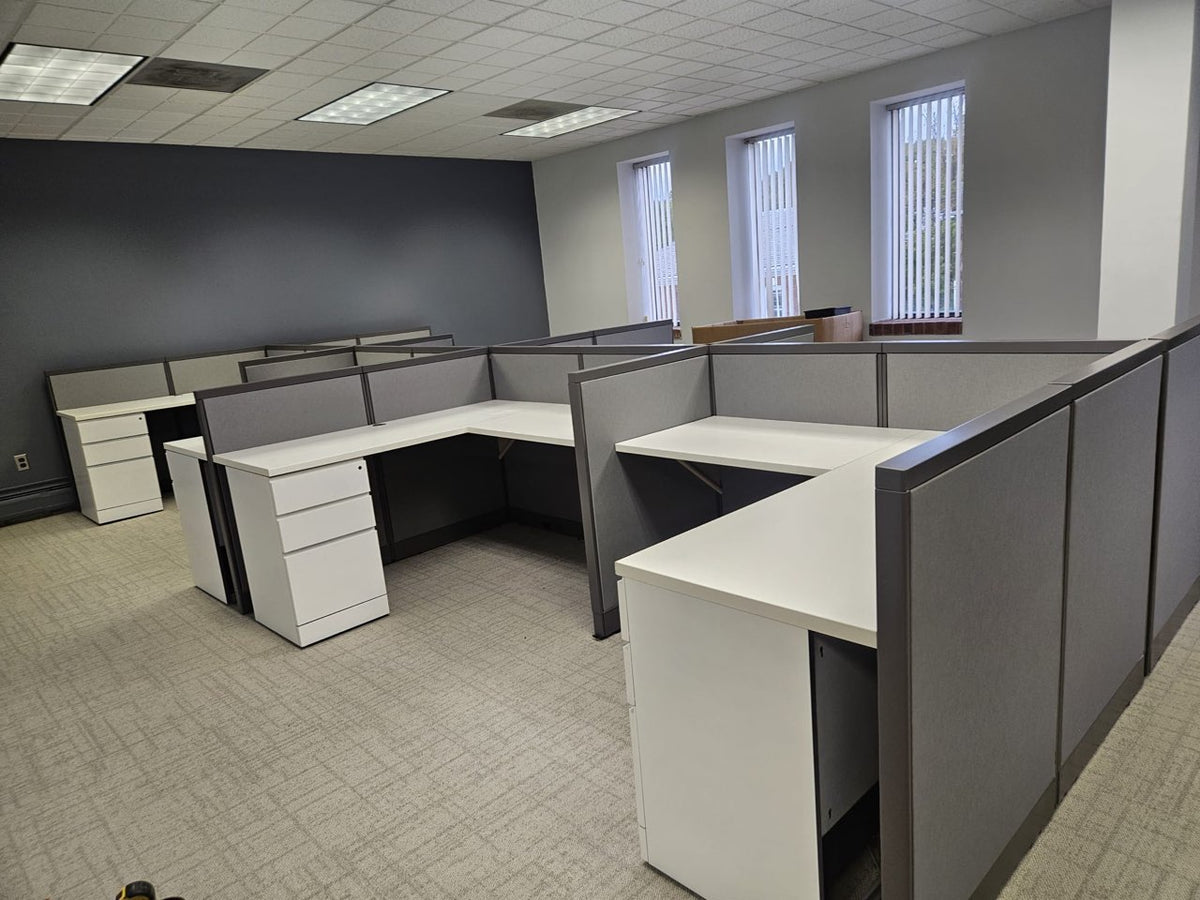
Cubicle Workstations
The Evolution of Cubicle Workstations: Balancing Functionality and Flexibility Cubicle workstations have long been the cornerstone of modern office design, offering businesses a practical way to organize employees and optimize workflow. Once criticized for fostering a "boxed-in" work culture, cubicles have evolved dramatically to meet the needs of today’s workforce. From open-plan layouts to tech-friendly designs, the modern cubicle workstation is a testament to innovation and adaptability. The History of Cubicles The cubicle was first introduced in 1968 by Herman Miller as part of its “Action Office” line. Originally designed to promote autonomy and flexibility, early cubicles provided workers with a personal space for concentration and efficiency. Over time, however, cost-cutting practices led to smaller, more uniform designs, giving cubicles their infamous reputation as drab, uninspiring spaces. Fast forward to the present day, and cubicle workstations are making a comeback, with an emphasis on ergonomic design, collaboration, and technology integration. Key Features of Modern Cubicle Workstations Ergonomics and ComfortModern cubicles prioritize employee well-being. Adjustable desks, ergonomic chairs, and proper lighting ensure that workers remain comfortable and productive throughout the day. Cable ManagementWith grommets, cable trays, and integrated power outlets, today’s workstations accommodate the growing demand for electronic devices, ensuring a clean and organized workspace. Privacy Without IsolationCubicles now strike a balance between privacy and collaboration. Low partitions or glass panels allow for focus while fostering a sense of openness. Customizable DesignFrom sleek, minimalist styles to vibrant, creative themes, cubicle workstations can be tailored to match an organization’s brand and culture. SustainabilityEco-friendly materials and refurbished options make modern cubicles an environmentally conscious choice, reducing waste while maintaining quality. Benefits of Cubicle Workstations Space OptimizationCubicles maximize floor space, accommodating more employees without overcrowding. Cost EfficiencyCompared to private offices, cubicles are a budget-friendly option for growing businesses. Increased ProductivityA designated workspace helps employees stay organized and focused, reducing distractions. FlexibilityCubicles can be rearranged or expanded to meet changing team dynamics, making them ideal for evolving businesses. The Future of Cubicle Workstations As remote work and hybrid models reshape the office landscape, cubicle workstations are also evolving. Future designs will likely incorporate advanced technology, such as built-in charging stations, soundproofing features, and modular layouts for enhanced flexibility. Additionally, the integration of sustainable materials and smart furniture options will ensure that cubicles remain relevant in the era of eco-conscious office design. Conclusion Cubicle workstations have transcended their origins, offering a versatile and modern solution for today’s dynamic workplaces. Whether you’re setting up a small business or revamping a corporate office, investing in well-designed cubicles can foster productivity, collaboration, and employee satisfaction. By embracing innovation and focusing on user-centric design, cubicles have proven their staying power in the ever-evolving world of office furniture. Would you like help tailoring this article for a specific audience or incorporating details about your own cubicle offerings?
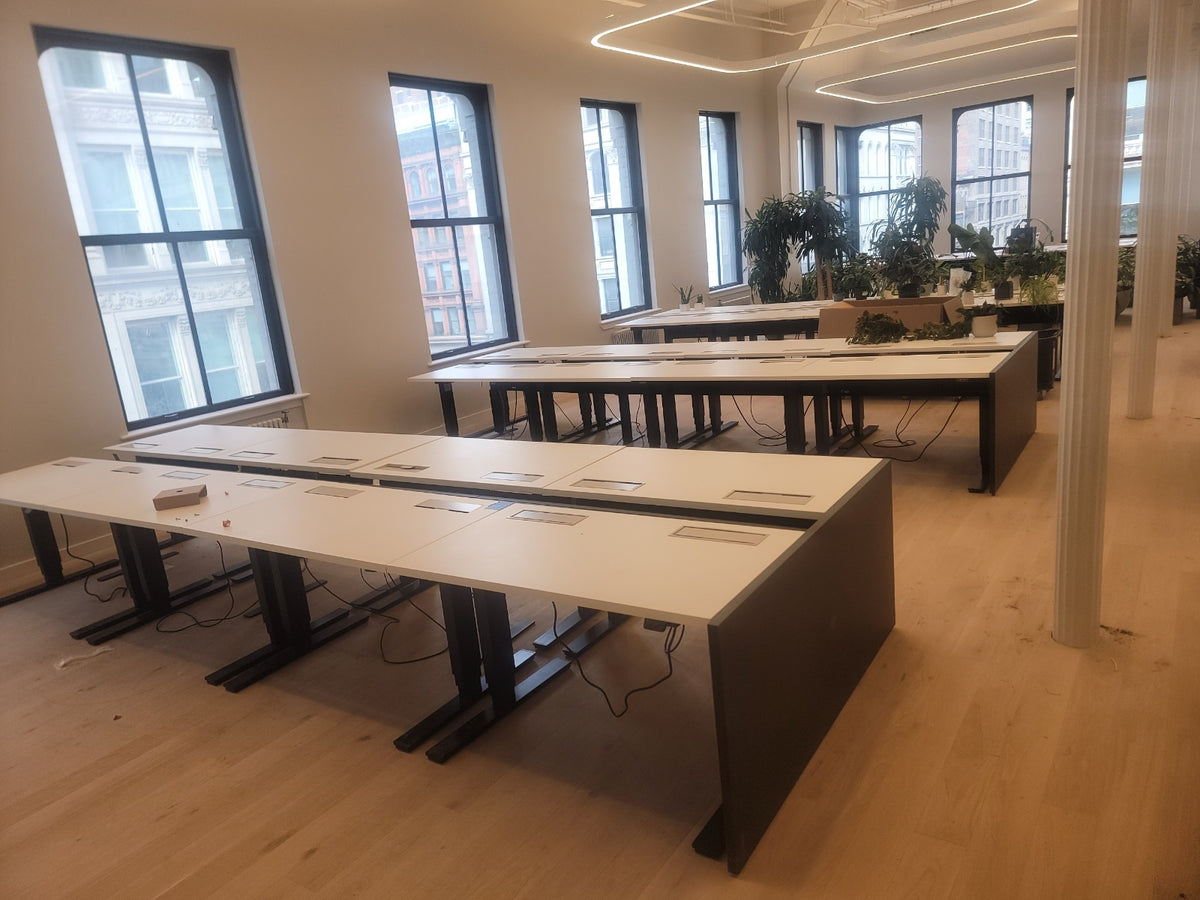
The Health Benefits of a Standing Desk
Why You Should Make the Switch? In recent years, standing desks have gained popularity as a healthier alternative to traditional sitting desks. With more people becoming aware of the negative health effects associated with prolonged sitting, standing desks offer a dynamic solution that promotes better posture, increased energy levels, and overall well-being. Here’s a look at the health benefits of using a standing desk and why it might be time to make the switch. 1. Reduced Risk of Obesity and Weight Gain One of the most immediate benefits of using a standing desk is the increase in calorie burn compared to sitting. Standing burns more calories than sitting, even if you're just standing still. While the difference may seem small on a per-hour basis, over time, it can add up significantly. Research has shown that standing for an additional three hours a day can burn approximately 144 extra calories. This increase in calorie expenditure can help mitigate weight gain and, when combined with other healthy habits, contribute to weight loss. 2. Lowered Risk of Cardiovascular Disease Prolonged sitting has been linked to an increased risk of cardiovascular disease. Studies suggest that sitting for long periods can lead to higher blood pressure, increased blood sugar levels, and elevated cholesterol, all of which are risk factors for heart disease. In contrast, standing desks encourage movement throughout the day, which can improve circulation and reduce the risk of heart-related issues. Incorporating regular standing intervals into your work routine can help keep your heart healthy and reduce the likelihood of developing cardiovascular disease. 3. Improved Posture and Reduced Back Pain Poor posture and back pain are common complaints among those who spend most of their day sitting. Slouching, hunching over a computer, and improper chair height can lead to chronic back, neck, and shoulder pain. Standing desks promote better posture by encouraging you to stand upright, engage your core muscles, and align your spine. Many users report a significant reduction in back pain after switching to a standing desk. Additionally, the ability to alternate between sitting and standing throughout the day helps prevent the stiffness and discomfort associated with prolonged sitting. 4. Increased Energy Levels and Mood Standing desks can positively impact your energy levels and mood. Sitting for long periods can lead to feelings of sluggishness and fatigue, which can negatively affect your productivity and mental health. Standing encourages more movement, which increases blood flow and oxygen to the brain, helping to keep you alert and energized. Studies have shown that employees who use standing desks report feeling more energetic and less stressed than those who sit all day. Improved mood and energy levels can also lead to better overall job satisfaction and performance. 5. Enhanced Productivity and Focus In addition to the physical health benefits, standing desks can also improve cognitive function and productivity. When you stand, you’re more likely to stay engaged and focused on your tasks. The increased blood flow and oxygen to the brain that comes with standing can enhance mental clarity and concentration. Some studies suggest that standing desks can boost productivity, particularly when used in combination with short breaks and movement throughout the day. Employees who stand are often more attentive and less prone to distractions, leading to more efficient work output. 6. Reduced Risk of Chronic Diseases The health risks associated with sedentary behavior extend beyond weight gain and cardiovascular disease. Prolonged sitting has also been linked to an increased risk of developing chronic conditions such as type 2 diabetes, metabolic syndrome, and certain types of cancer. Standing desks can play a role in reducing these risks by promoting regular movement and reducing the amount of time spent sitting. While standing desks alone won’t eliminate these risks, they can be part of a broader strategy to lead a more active and healthier lifestyle. 7. Flexibility and Comfort One of the key advantages of modern standing desks is their adjustability. Many standing desks are height-adjustable, allowing you to switch between sitting and standing throughout the day. This flexibility enables you to find the most comfortable position for different tasks, whether you’re typing, reading, or taking a call. The ability to move between positions also helps reduce fatigue and discomfort, as you’re not locked into one posture for extended periods. Ergonomic accessories like anti-fatigue mats, footrests, and monitor stands can further enhance the comfort and effectiveness of a standing desk setup. Conclusion The shift from sitting to standing can have profound health benefits, from reducing the risk of obesity and cardiovascular disease to improving posture and boosting energy levels. While standing desks are not a cure-all, they offer a valuable tool in the fight against the negative effects of a sedentary lifestyle. By incorporating a standing desk into your daily routine, you can take an important step toward a healthier, more active, and productive work life. Whether you choose to stand for a few hours each day or alternate between sitting and standing, the benefits of making the switch are clear.
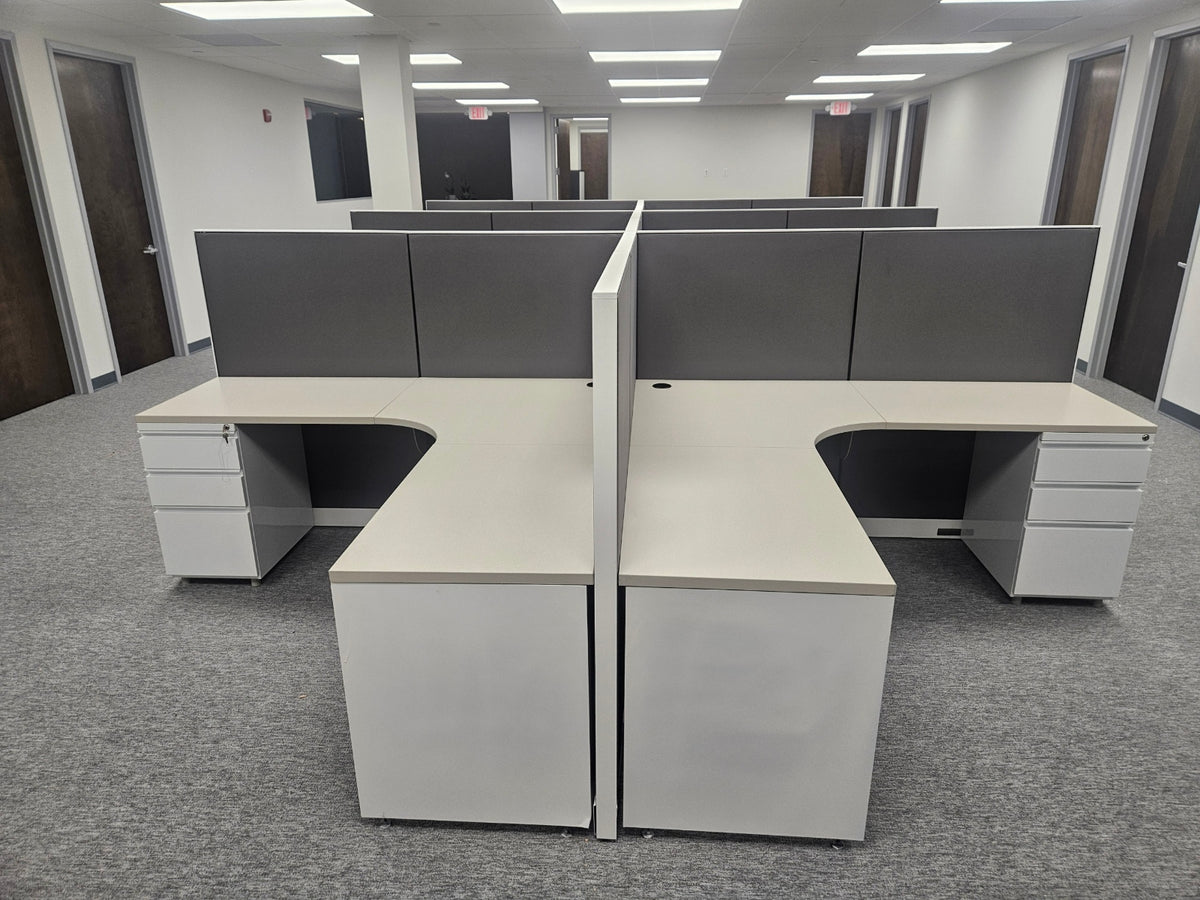
Understanding the Different Sizes and Styles of Office Cubicles
A Guide to Choosing the Right Fit Cubicles are a staple of many office environments, offering a balance of privacy and collaboration while optimizing space. However, not all cubicles are created equal. They come in various sizes, heights, materials, and colors, allowing businesses to tailor their office layout to specific needs and aesthetics. Here’s a guide to understanding the different dimensions and design options available for office cubicles. 1. Cubicle Dimensions: Height, Width, and Depth Cubicles are available in a range of sizes, making it easy to find an option that fits your office space and employee needs. Understanding the standard dimensions can help you choose the right cubicles for your workspace. Height: Short (42-48 inches): Low-height cubicles offer minimal privacy but allow for easy communication and a more open feel. These are ideal for environments that prioritize collaboration and visibility. Mid-height (54-66 inches): Mid-height cubicles provide a balance between privacy and openness. They offer more seclusion than low-height cubicles while still allowing for interaction over the top of the panels. Tall (70-85 inches): High cubicles create a private workspace similar to a mini office. These are best for roles that require concentration and minimal distractions. Width: Small (4x4 feet): Compact cubicles are ideal for offices with limited space. They provide just enough room for a desk, chair, and some storage. Medium (6x6 feet): A standard size that offers more room for a comfortable workstation, with space for a computer, desk accessories, and personal items. Large (8x8 feet or larger): These spacious cubicles are suitable for managerial positions or tasks that require multiple monitors, extra storage, or larger work surfaces. Depth: Standard Depth (2-3 feet): Most cubicles have a depth of 2 to 3 feet, providing sufficient workspace without taking up too much floor area. Depth can be adjusted to accommodate different office layouts and workstation needs. 2. Panel Materials: Glass vs. Fabric The choice of panel material is another important factor when selecting cubicles. The material affects not only the aesthetics of the office but also the level of privacy and noise reduction. Glass Panels: Full Glass: Full glass panels offer a modern, sleek appearance and allow for maximum natural light to flow through the office. They create a sense of openness while still delineating personal space. However, they offer less visual and acoustic privacy. Partial Glass (Half Glass, Half Fabric): These panels combine the benefits of both materials. The glass portion allows light to pass through, while the fabric section provides more privacy and sound insulation. Partial glass panels are a popular choice for balancing visibility and privacy. Fabric Panels: All Fabric: Fabric panels are traditional and versatile, providing a softer look and better sound absorption than glass. They come in various colors and textures, allowing for customization to match the office decor. Fabric panels offer higher privacy levels, both visually and acoustically, making them ideal for quieter, more focused work environments. 3. Color Options Cubicles are available in a wide range of colors, allowing you to create a cohesive and attractive office design. The color you choose can have a significant impact on the office atmosphere and employee morale. Neutral Colors: Shades like gray, beige, and white are popular for creating a clean, professional look. Neutral colors are versatile and can easily blend with other office decor elements. Bold Colors: Vibrant colors like blue, green, or red can add energy and personality to the office. These colors can be used to designate different departments, boost morale, or create a dynamic work environment. Custom Colors: Many cubicle manufacturers offer custom color options, allowing you to match the cubicles to your company’s branding or specific design preferences. 4. Choosing the Right Cubicle for Your Office When selecting cubicles, it’s important to consider the specific needs of your office environment: Privacy Needs: Determine how much privacy your employees need. For tasks requiring concentration, opt for taller panels and fabric materials. For collaborative work, lower panels or glass options may be more suitable. Space Constraints: Consider the available office space. Smaller cubicles maximize floor space, while larger cubicles provide more room for storage and work materials. Aesthetic Preferences: Choose materials and colors that align with your office’s design and branding. A cohesive color scheme can enhance the overall look and feel of the workspace. Budget Considerations: Your budget will also play a role in your decision. Glass panels and custom colors may be more expensive, so balance your design preferences with cost-effective options. Conclusion Cubicles are a flexible solution for organizing office space, with various sizes, panel materials, and colors to choose from. Whether you prioritize privacy, collaboration, or aesthetics, there’s a cubicle option to suit your needs. By understanding the different dimensions and design elements, you can create a workspace that enhances productivity, meets employee needs, and reflects your company’s culture and style.
How to Accurately Measure Office Space Without Using CAD
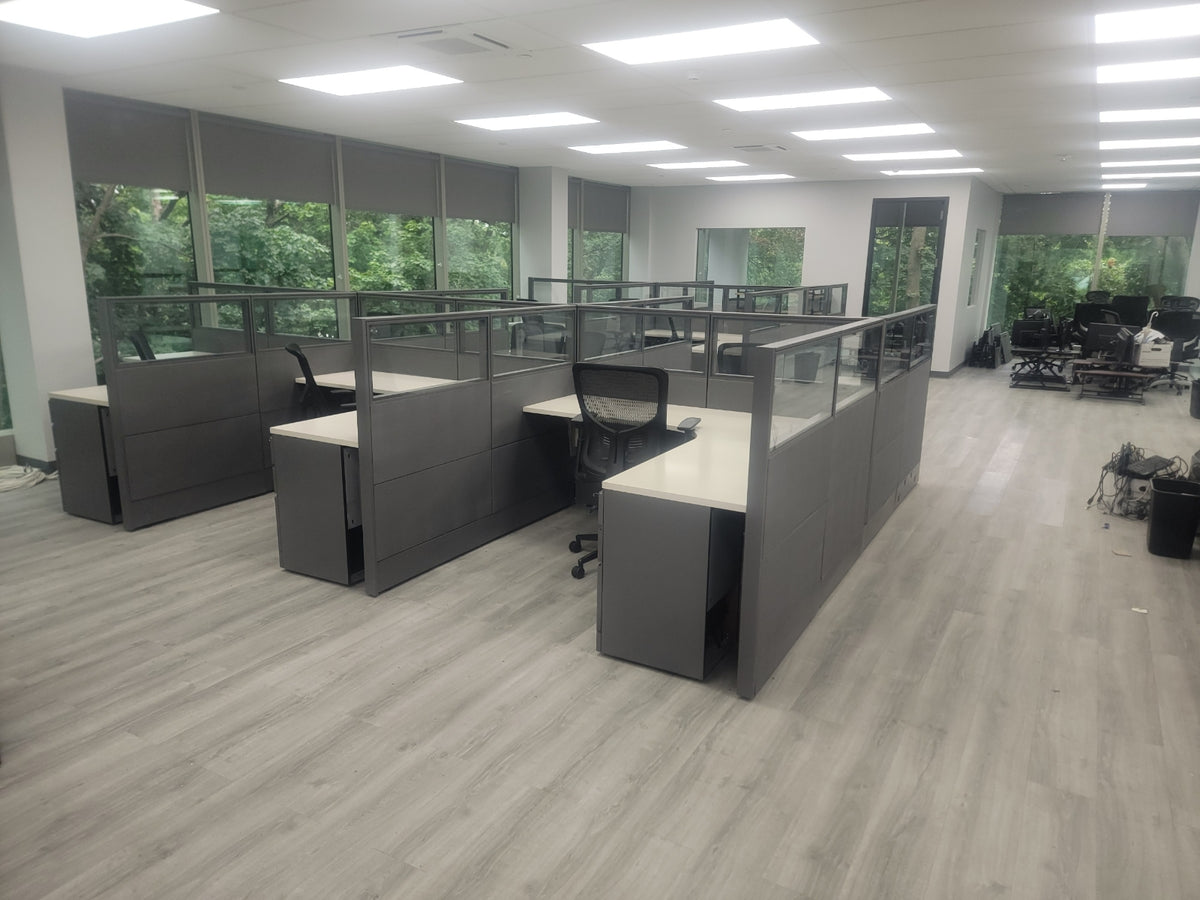
When it comes to setting up or renovating an office space, accurate measurements are crucial to ensuring that the furniture fits perfectly and the workspace is both functional and aesthetically pleasing. While Computer-Aided Design (CAD) software is a powerful tool for detailed planning, it’s not always necessary—especially for smaller projects or those without access to such technology. Here’s a guide on how to measure your office space accurately without relying on CAD software. 1. Gather the Right Tools Before you begin, make sure you have the following tools on hand: Tape Measure: A reliable tape measure, ideally 25 feet or longer, is essential for measuring larger spaces. Graph Paper: Useful for sketching out your space to scale. Each square can represent a specific measurement, such as 1 foot or 6 inches. Pencil and Eraser: To mark measurements and make adjustments as needed. Notebook or Measuring Sheet: To record your measurements. Laser Measure (Optional): For quick, precise measurements, especially over long distances. 2. Measure the Room Dimensions Start by measuring the overall dimensions of the room. Measure the length, width, and height of the space, and record these measurements accurately. It’s important to measure each wall separately, as rooms are rarely perfectly square. If the room has an irregular shape, break it down into smaller, manageable sections, and measure each one. Tip: Measure from wall to wall at floor level for the most accurate results, as walls can sometimes bow or have slight variations higher up. 3. Account for Architectural Features Next, measure any architectural features that could impact your furniture layout. These include: Windows: Measure the height, width, and distance from the floor to the bottom and top of each window. This is important for placing desks, bookshelves, or cabinets. Doors: Measure the width and height of all doors, as well as the space required for the door to open fully. Don’t forget to measure the door frames as well. Built-in Elements: Note the dimensions of any built-in elements like radiators, columns, or storage units. Power Outlets and Light Switches: Record the location and height of electrical outlets, light switches, and other wall-mounted features. Tip: Mark these features on your sketch, ensuring that you leave enough clearance for doors to open and for easy access to outlets. 4. Sketch the Layout Once you have your measurements, it’s time to create a scaled-down sketch of your office space. Using graph paper, draw the outline of the room to scale, noting all the measurements you’ve taken. Each square on the graph paper can represent a specific unit of measurement, such as 1 foot or 6 inches, depending on the size of your space. Mark the location of windows, doors, outlets, and other architectural features on your sketch. This visual representation will help you better understand the available space and plan your furniture layout effectively. 5. Plan the Furniture Layout With your room sketch in hand, start planning where your furniture will go. Measure the dimensions of each piece of furniture you intend to place in the room, including desks, chairs, filing cabinets, and shelves. Be sure to account for the space needed to move around the furniture comfortably—generally, you should allow for at least 3 feet of clearance for walkways. You can create cut-outs of your furniture on another piece of paper and move them around on your sketch to experiment with different layouts. This hands-on approach can be especially helpful if you’re working without digital tools. Tip: Consider the flow of movement in the room, ensuring that the layout promotes easy access to work areas, meeting spaces, and exits. 6. Consider Ergonomics and Functionality When planning your layout, it’s essential to think about ergonomics and functionality. Ensure that desks are positioned with enough space for comfortable seating and that monitors are at eye level to prevent strain. Make sure that storage solutions are within easy reach of workstations and that there is ample space for collaboration if needed. Additionally, think about lighting. Natural light is ideal, so try to position desks near windows, but be mindful of glare on computer screens. If natural light is limited, plan for the placement of lamps or overhead lighting to ensure a well-lit workspace. 7. Double-Check Your Measurements Before finalizing your furniture purchase or moving items into the room, double-check all your measurements. This will help you avoid any surprises, such as discovering that a desk doesn’t fit where you planned or that a door doesn’t open fully due to a misplaced chair. Walk through the space and visualize the layout, making any necessary adjustments to your plan. Conclusion Measuring an office space without CAD software is entirely possible with the right tools and a careful approach. By taking accurate measurements, creating a detailed sketch, and thoughtfully planning your layout, you can design a functional and comfortable workspace that meets your needs. This hands-on method not only helps you visualize the final setup but also ensures that your furniture fits perfectly, maximizing both the usability and aesthetic appeal of your office. How to Accurately Measure Office Space for Furniture Without Using CAD Software When it comes to setting up or renovating an office space, accurate measurements are crucial to ensuring that the furniture fits perfectly and the workspace is both functional and aesthetically pleasing. While Computer-Aided Design (CAD) software is a powerful tool for detailed planning, it’s not always necessary—especially for smaller projects or those without access to such technology. Here’s a guide on how to measure your office space accurately without relying on CAD software. 1. Gather the Right Tools Before you begin, make sure you have the following tools on hand: Tape Measure: A reliable tape measure, ideally 25 feet or longer, is essential for measuring larger spaces. Graph Paper: Useful for sketching out your space to scale. Each square can represent a specific measurement, such as 1 foot or 6 inches. Pencil and Eraser: To mark measurements and make adjustments as needed. Notebook or Measuring Sheet: To record your measurements. Laser Measure (Optional): For quick, precise measurements, especially over long distances. 2. Measure the Room Dimensions Start by measuring the overall dimensions of the room. Measure the length, width, and height of the space, and record these measurements accurately. It’s important to measure each wall separately, as rooms are rarely perfectly square. If the room has an irregular shape, break it down into smaller, manageable sections, and measure each one. Tip: Measure from wall to wall at floor level for the most accurate results, as walls can sometimes bow or have slight variations higher up. 3. Account for Architectural Features Next, measure any architectural features that could impact your furniture layout. These include: Windows: Measure the height, width, and distance from the floor to the bottom and top of each window. This is important for placing desks, bookshelves, or cabinets. Doors: Measure the width and height of all doors, as well as the space required for the door to open fully. Don’t forget to measure the door frames as well. Built-in Elements: Note the dimensions of any built-in elements like radiators, columns, or storage units. Power Outlets and Light Switches: Record the location and height of electrical outlets, light switches, and other wall-mounted features. Tip: Mark these features on your sketch, ensuring that you leave enough clearance for doors to open and for easy access to outlets. 4. Sketch the Layout Once you have your measurements, it’s time to create a scaled-down sketch of your office space. Using graph paper, draw the outline of the room to scale, noting all the measurements you’ve taken. Each square on the graph paper can represent a specific unit of measurement, such as 1 foot or 6 inches, depending on the size of your space. Mark the location of windows, doors, outlets, and other architectural features on your sketch. This visual representation will help you better understand the available space and plan your furniture layout effectively. 5. Plan the Furniture Layout With your room sketch in hand, start planning where your furniture will go. Measure the dimensions of each piece of furniture you intend to place in the room, including desks, chairs, filing cabinets, and shelves. Be sure to account for the space needed to move around the furniture comfortably—generally, you should allow for at least 3 feet of clearance for walkways. You can create cut-outs of your furniture on another piece of paper and move them around on your sketch to experiment with different layouts. This hands-on approach can be especially helpful if you’re working without digital tools. Tip: Consider the flow of movement in the room, ensuring that the layout promotes easy access to work areas, meeting spaces, and exits. 6. Consider Ergonomics and Functionality When planning your layout, it’s essential to think about ergonomics and functionality. Ensure that desks are positioned with enough space for comfortable seating and that monitors are at eye level to prevent strain. Make sure that storage solutions are within easy reach of workstations and that there is ample space for collaboration if needed. Additionally, think about lighting. Natural light is ideal, so try to position desks near windows, but be mindful of glare on computer screens. If natural light is limited, plan for the placement of lamps or overhead lighting to ensure a well-lit workspace. 7. Double-Check Your Measurements Before finalizing your furniture purchase or moving items into the room, double-check all your measurements. This will help you avoid any surprises, such as discovering that a desk doesn’t fit where you planned or that a door doesn’t open fully due to a misplaced chair. Walk through the space and visualize the layout, making any necessary adjustments to your plan. Conclusion Measuring an office space without CAD software is entirely possible with the right tools and a careful approach. By taking accurate measurements, creating a detailed sketch, and thoughtfully planning your layout, you can design a functional and comfortable workspace that meets your needs. This hands-on method not only helps you visualize the final setup but also ensures that your furniture fits perfectly, maximizing both the usability and aesthetic appeal of your office.
How to Get "Like-New" Quality at a Fraction of the Cost
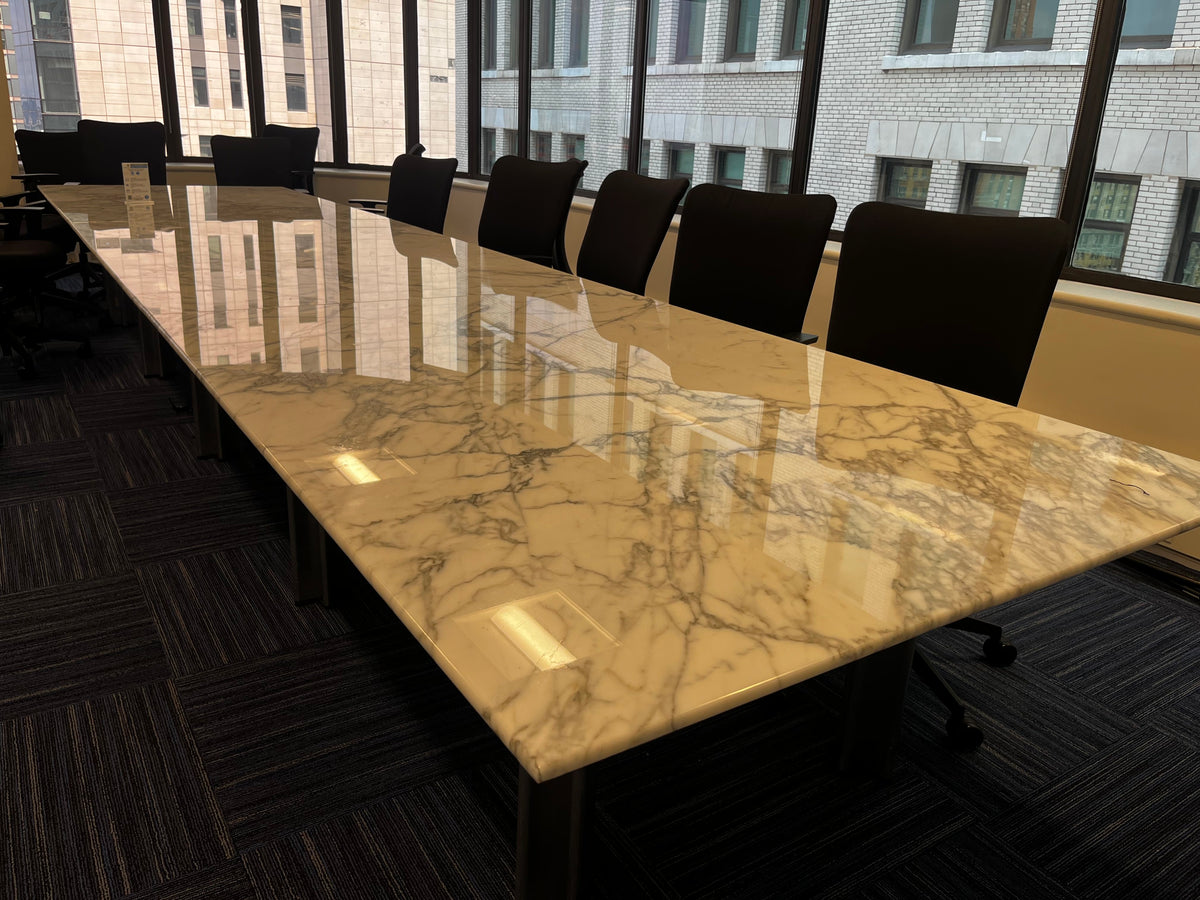
Pre-Loved Office Furniture When it comes to outfitting an office, high-quality furniture can make a significant difference in both aesthetics and functionality. However, brand-new office furniture from top-tier brands often comes with a hefty price tag. Fortunately, there is a cost-effective alternative that doesn't sacrifice quality: pre-loved office furniture. Through a careful process of decommissioning, refurbishment, and resale, used office furniture can be restored to a condition that looks and feels brand new—all at a fraction of the cost. The Journey of Pre-Loved Office Furniture Decommissioning from Corporate Spaces: Many large corporations and businesses regularly update their office spaces, often as part of relocations, renovations, or design refreshes. When this happens, existing furniture is decommissioned, meaning it is removed from service. Despite being gently used, much of this furniture is still in excellent condition, with many years of life left. Decommissioned furniture typically includes high-end pieces from reputable brands, known for their durability and design. This furniture is then collected by specialized companies that resell it to consumers, providing an opportunity for individuals and businesses to access premium-quality furniture at reduced prices. The Refurbishment Process: To make pre-loved furniture look and feel like new, it often undergoes a refurbishment process. This can include: Cleaning and Sanitization: Every piece is thoroughly cleaned and sanitized, ensuring that it meets hygiene standards and looks fresh. Repairs and Replacements: Any damaged parts, such as wheels, armrests, or upholstery, are repaired or replaced. For instance, a chair with a worn-out cushion might get a brand-new one, or a desk with surface scratches might be refinished. Reupholstering: Furniture that has seen significant wear may be reupholstered with new fabric or leather, giving it a completely fresh appearance. Repainting and Refinishing: Metal or wooden components may be repainted or refinished to remove any signs of use, restoring their original shine and color. The result of this meticulous process is furniture that looks nearly indistinguishable from new but is available at a much lower cost. Quality Inspection: After refurbishment, each piece of furniture undergoes a rigorous quality inspection to ensure it meets both functional and aesthetic standards. Only after passing this inspection is the furniture offered for sale, giving consumers confidence that they are purchasing a product that will last. How to Find "Like-New" Pre-Loved Furniture at a Low Cost Shop from Reputable Sellers: Look for companies that specialize in selling refurbished office furniture. These vendors often source their inventory from large corporations and are experienced in restoring furniture to like-new condition. They may also offer warranties or guarantees, adding extra peace of mind to your purchase. Consider Remanufactured Options: Remanufactured furniture goes through an even more thorough process than simple refurbishment, often involving disassembly and reassembly with new parts. This can include replacing all the upholstery, upgrading components, and even customizing the piece to fit modern standards. Remanufactured furniture is an excellent way to get a product that is practically new at a significant discount. Check for Sales and Discounts: Many pre-loved furniture sellers offer periodic sales, bulk discounts, or clearance events where you can find even greater savings. Shopping during these times can help you get top-quality furniture at an even lower price. Buy in Bulk: If you’re furnishing an entire office, consider buying in bulk. Sellers often provide additional discounts for large orders, making it possible to outfit your workspace with like-new furniture at a minimal cost. Explore Local Options: Sometimes, local businesses or liquidation sales offer opportunities to purchase high-quality furniture directly from decommissioned offices. This can be a great way to find excellent deals without the added costs of shipping or handling. Why Choose Pre-Loved Over New? Significant Cost Savings: The most obvious benefit is the price. Pre-loved furniture, even when it looks and functions like new, typically costs much less than brand-new pieces from the same brands. Sustainability: By choosing pre-loved furniture, you're contributing to a more sustainable economy. Reusing existing furniture reduces the demand for new manufacturing, which in turn conserves resources and decreases waste. Access to High-End Brands: Buying pre-loved allows you to afford premium brands that might otherwise be out of your budget. These brands are known for their durability and design, ensuring that your investment in pre-loved furniture is long-lasting. Quick Availability: New furniture, especially custom orders, can take weeks or even months to arrive. Pre-loved furniture is usually available immediately, allowing you to set up your space quickly. Conclusion Investing in pre-loved office furniture is a smart, cost-effective, and eco-friendly way to furnish your workspace. Through the process of decommissioning, refurbishment, and quality inspection, used office furniture can be transformed to look and perform like new. Whether you’re outfitting a home office or a large corporate environment, choosing pre-loved furniture allows you to access premium-quality pieces at a fraction of the cost, all while supporting sustainable practices.
Creating a Sustainable Office Space Eco-Friendly
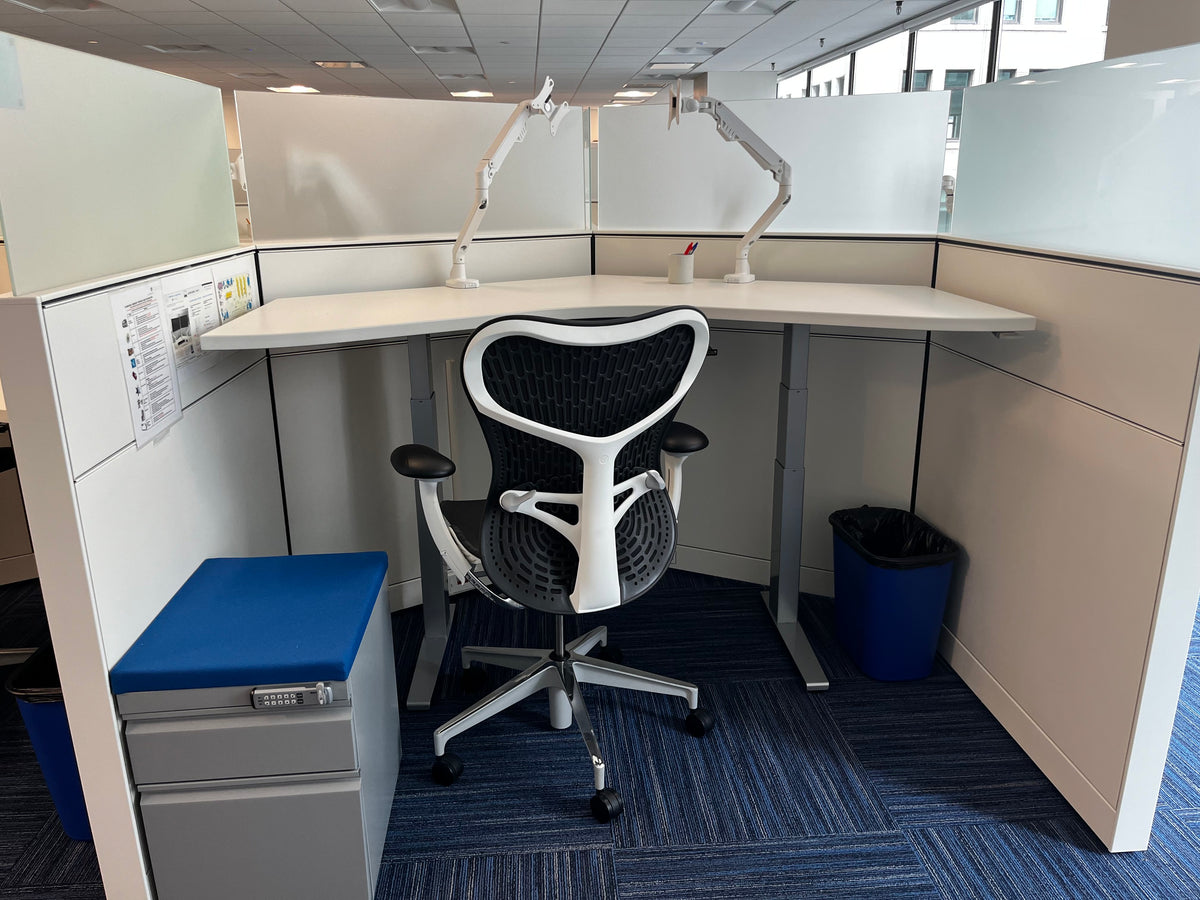
The Benefits of Buying Cost-Effective and Eco-Friendly Used Office Furniture In an era where sustainability and cost-efficiency are more important than ever, creating an office space that aligns with these values is a top priority for many businesses. Whether you're setting up a home office, outfitting a small business, or managing the needs of a large corporate space, investing in used office furniture is a smart, sustainable choice. Not only does it help reduce your environmental footprint, but it also offers significant cost savings, making it an ideal solution for businesses of all sizes. Why Opt for Used Office Furniture? Cost-Effective Solution: One of the most compelling reasons to choose used office furniture is the cost savings. High-quality office furniture can be expensive when purchased new, especially when outfitting a large space. Used furniture allows you to access top-tier brands and durable products at a fraction of the original price. Whether you’re furnishing a single home office or a sprawling corporate headquarters, buying used can help stretch your budget further. Eco-Friendly Choice: Sustainability is no longer a buzzword—it's a necessity. Purchasing used office furniture is an eco-friendly option that supports the circular economy by giving pre-loved items a second life. By opting for used furniture, you’re helping to reduce the demand for new manufacturing, which in turn lowers carbon emissions, conserves resources, and decreases waste. This is a powerful way for your business to contribute to environmental conservation. Bulk Buying Advantages: When setting up an office space, buying furniture in bulk can lead to additional savings. Many suppliers offer discounts for bulk purchases, making it even more cost-effective to buy used office furniture. This approach is particularly beneficial for small to medium-sized businesses looking to furnish an entire office without breaking the bank. Even large corporations can benefit from bulk buying, enabling them to maintain uniformity across multiple offices while keeping costs in check. Suitable for Any Office Size: From Home Offices to Corporate Spaces Home Offices: For freelancers, remote workers, or small business owners working from home, used office furniture provides an affordable way to create a professional and comfortable workspace. A well-designed home office not only boosts productivity but also supports work-life balance. With a wide variety of styles and pieces available, from ergonomic chairs to functional desks, you can find pre-loved furniture that fits both your budget and your space. Small to Medium-Sized Offices: For growing businesses, scaling up while keeping costs manageable is a constant challenge. Used office furniture offers the flexibility to furnish your space without compromising on quality or aesthetics. You can find everything from matching desk sets to conference tables and storage solutions, all at a fraction of the cost of new items. Plus, buying in bulk can lead to even greater savings, allowing you to allocate more of your budget to other critical areas of your business. Large Corporate Spaces: Even large corporations with extensive office space requirements can benefit from purchasing used furniture. By buying in bulk, companies can maintain a cohesive design across multiple offices while significantly reducing costs. Additionally, investing in used furniture aligns with corporate social responsibility (CSR) goals by promoting sustainability. This is an important consideration as more consumers and clients are drawn to businesses that demonstrate environmental stewardship. Tips for Buying Used Office Furniture Assess Your Needs: Before making any purchases, take stock of what you need. Consider the number of employees, the layout of your office space, and the types of furniture required. This will help you make informed decisions and avoid buying unnecessary items. Research Suppliers: Not all used furniture suppliers are created equal. Look for reputable vendors who specialize in high-quality, pre-owned office furniture. These suppliers often offer warranties, ensuring that you receive products in good condition that will last. Inspect Before You Buy: Whenever possible, inspect the furniture before purchasing. Check for signs of wear and tear, and ensure that all moving parts, like chair adjustments or drawer slides, are in working order. This is especially important if you’re buying in bulk, as it ensures consistency in quality across all items. Consider Remanufactured or Refurbished Options: As mentioned earlier, remanufactured, renewed, or refurbished furniture offers a middle ground between new and used. These pieces have been restored to like-new condition, often with new upholstery, paint, or components, providing a fresh look at a lower cost. Conclusion Creating a sustainable, cost-effective office space is not only achievable but also beneficial for businesses of all sizes. Whether you’re outfitting a home office or equipping a large corporate space, used office furniture offers a perfect balance of affordability and environmental responsibility. By buying pre-loved furniture, especially in bulk, you can lower costs while contributing to a more sustainable future. This approach allows you to meet your business’s needs without compromising on quality, style, or ethics.
Why Buying Used Chairs is a Cost-Effective Solution?
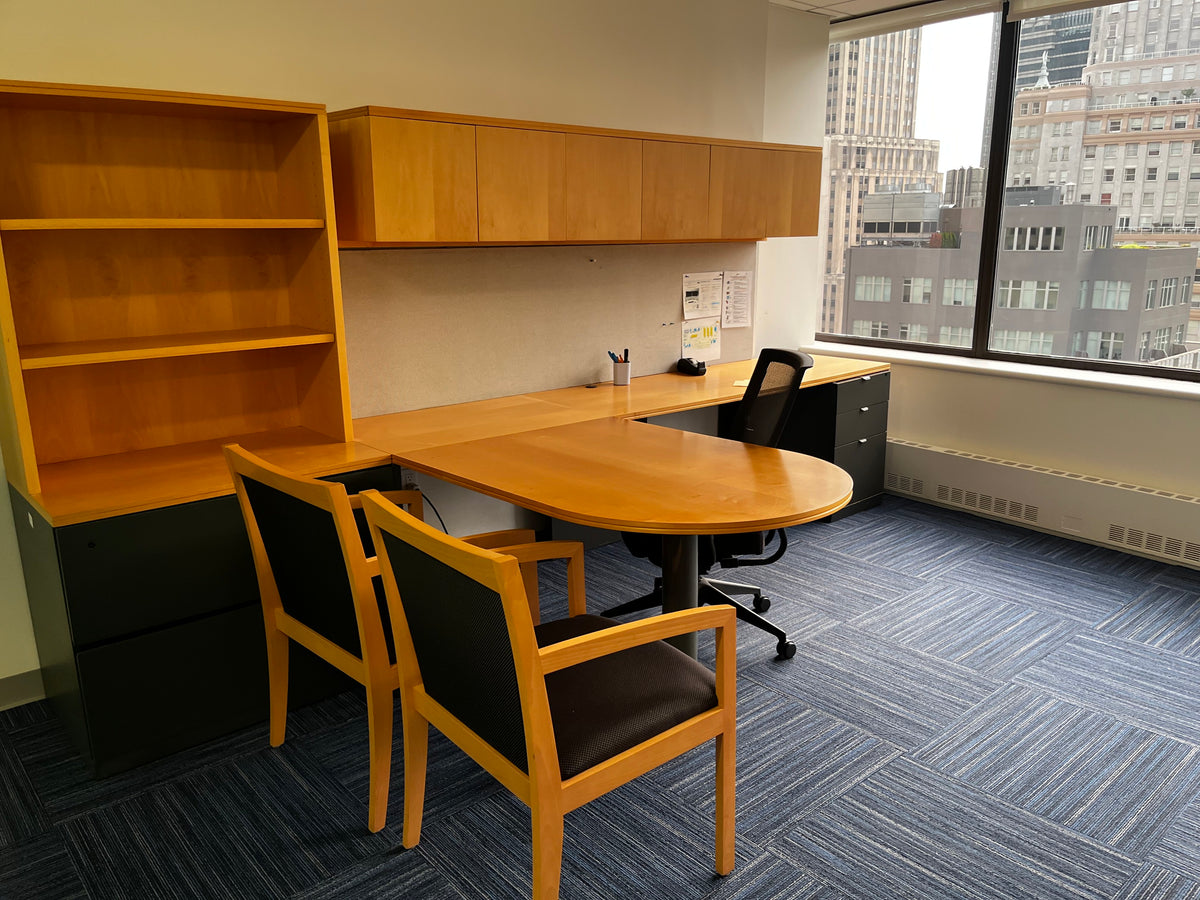
The Smart Choice for Workspace Seating In today's rapidly evolving business landscape, every dollar counts. Whether you're setting up a new office or expanding an existing one, the cost of furnishing your workspace can quickly add up. One of the most essential elements of any office is seating, but high-quality chairs often come with a hefty price tag. Fortunately, buying used chairs offers an affordable and sustainable solution that doesn’t compromise on quality. Why Buy Used Chairs? Cost Savings: The most obvious benefit of purchasing used chairs is the significant cost savings. New office chairs, especially ergonomic models from well-known brands, can be expensive. Used chairs, however, can be found at a fraction of the price, allowing you to allocate your budget to other essential areas of your business. High-Quality Options: When you buy used chairs, you’re not limited to budget models. Many companies offer high-end, durable chairs that have been gently used. These chairs often have years of life left in them, ensuring that you get a quality product without the high price. Environmental Impact: Buying used is a sustainable choice. By choosing pre-owned furniture, you're reducing waste and the demand for new resources, which helps lessen your business’s environmental footprint. This is an excellent way to contribute to a circular economy, where products are reused and recycled, minimizing the overall environmental impact. Remanufactured, Renewed, and Refurbished Chairs: The New Standard for Pre-Loved Furniture Buying used doesn’t mean settling for worn-out furniture. Many used chairs go through processes like remanufacturing, renewing, or refurbishing, making them look and feel like new. Remanufactured Chairs: Remanufacturing is a comprehensive process where a chair is disassembled, cleaned, repaired, and reassembled with new or like-new components. This can include replacing worn-out parts, reupholstering the chair, and even applying a fresh coat of paint. The result is a chair that meets or exceeds the original manufacturer's standards, often indistinguishable from a brand-new product. Renewed Chairs: A renewed chair undergoes a thorough cleaning and minor repairs to restore its original appearance and function. This might involve replacing worn-out casters, tightening screws, or touching up scratches. Renewed chairs are perfect for businesses that want high-quality furniture at a reduced cost without the full remanufacturing process. Refurbished Chairs: Refurbishing involves more detailed work than renewing but is less extensive than remanufacturing. This process typically includes repairing or replacing major components, like the seat cushion or armrests, and addressing cosmetic imperfections. Refurbished chairs offer a balance between cost savings and quality, making them a popular choice for many businesses. How to Choose the Right Used Chair for Your Workspace When selecting used chairs for your workspace, consider the following tips: Check the Condition: Always inspect the chair for any signs of wear and tear. Look for sturdy construction, comfortable seating, and functioning adjustments. Even if the chair has been refurbished or renewed, ensure it meets your comfort and durability standards. Brand Reputation: Opt for chairs from reputable brands known for their quality and durability. Brands like Herman Miller, Steelcase, and Knoll are known for producing ergonomic chairs that last for years, making them excellent candidates for used purchases. Seller Reputation: Purchase from reputable sellers who specialize in used office furniture. They are more likely to offer warranties, satisfaction guarantees, and detailed information about the condition and history of the chairs. Consider Ergonomics: Ensure the chairs you choose provide proper ergonomic support. Adjustable features like lumbar support, seat height, and armrests are essential for maintaining comfort and preventing workplace injuries. Conclusion Furnishing your workspace with used chairs is a smart, cost-effective, and environmentally friendly choice. By choosing remanufactured, renewed, or refurbished chairs, you can enjoy high-quality seating that looks and functions like new, all while saving money and reducing waste. Whether you're a startup on a tight budget or a large corporation looking to make sustainable choices, buying used chairs is an option worth considering.